

How to Throw a Warehouse Party Legally: Permits and Entry
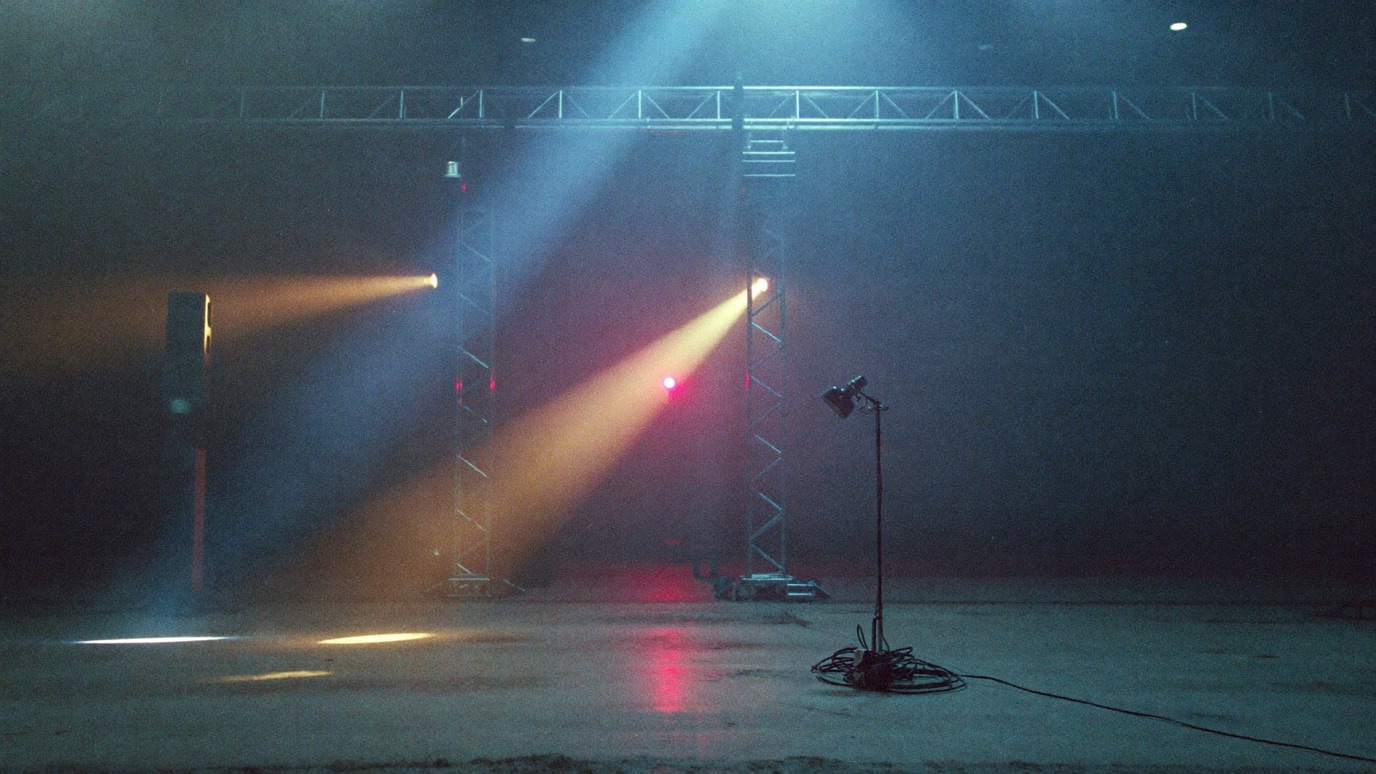
A warehouse party is legal when the building is rated for the crowd you put in it, the exits are clear, and the alcohol has a license behind it. That's the whole test. The mystique of an underground party is a marketing choice, not a legal category, and the difference between a night people talk about for a year and a night the fire marshal shuts down at 11pm comes down to a short list of boring documents you can handle in a couple of weeks. The good news for a for-profit promoter: none of it is expensive, and most of it is the same paperwork any club night carries. The bad news: skipping it doesn't save money, it just moves the cost to the worst possible moment, when 400 people are outside and the doors won't open.
The reason warehouse parties feel legally scary is that they cross into territory a normal club night never touches. You're bringing an assembly crowd into a space that was built to store pallets, not people, so the two things a permitted venue already solved, occupancy rating and a liquor license, are now yours to solve. Get those two right and everything else is a formality. Get them wrong and no amount of good lineup or clean flyer saves the night.
This is a US-specific guide, because assembly permits, fire code, and alcohol are governed locally and the exact numbers change by city and state. Treat the figures here as real examples to calibrate against, not as your jurisdiction's precise price. The structure of the problem is the same everywhere: rate the room, clear the exits, license the bar, insure the whole thing, and sell the tickets without broadcasting the address.
Are warehouse parties legal?
Yes, when the space is permitted for assembly use at the headcount you're running, with adequate exits and a legal handling of alcohol. The word "warehouse" carries no special legal weight. A fire marshal doesn't care that it's a warehouse; they care whether the occupancy is rated, the egress is adequate, and the crowd is under the limit. What makes the classic "illegal rave" illegal is a stack of specific failures: a building with no assembly rating, a crowd well over any safe occupant load, exits chained or blocked, and cash alcohol sold with no permit. Each of those is fixable, and fixing them doesn't kill the vibe.
The cleanest path, and the one I'd push almost any first-time promoter toward, is to not start from a raw empty building at all. Rent or partner with a space that already holds a place-of-assembly certificate: a converted warehouse venue, an event space, a gallery, a film studio, a brewery's back room. You inherit its occupancy rating, its exits, and often its liquor license, and your permit burden collapses to almost nothing. Sourcing a truly unpermitted building and getting it rated from scratch is a real project involving an architect, a fire-suppression review, and weeks of lead time, and it's rarely worth it for a one-off. The underground feeling comes from the location, the lineup, and the secrecy of the invite, not from whether the building is legal.
The permits a warehouse party actually triggers
You'll typically need an assembly certificate once your crowd crosses the fire-code threshold, a fire-marshal sign-off on capacity and exits, an alcohol permit if you serve, and an insurance certificate before the space lets you in. Any one of those is usually enough to require paperwork, and a warehouse party often trips several at once. This is the same map any organizer follows, laid out in detail in our guide to event permits and insurance for US organizers; the warehouse wrinkle is that the building itself, not just the event, is what triggers the assembly review.
The threshold that matters most is the assembly one. Cities classify a space as a "place of assembly" once enough people gather in it, and that's the line that turns a storage building into a regulated venue for the night. New York City, for example, requires a Place of Assembly Certificate of Operation where 75 or more people gather indoors, or 200 or more outdoors (NYC Department of Buildings). For a temporary event in a space that doesn't already hold one, that becomes a temporary place-of-assembly permit, and it means a plan review of the layout, the exits, and the occupant load. Your number will differ by city, but the shape is universal: below the threshold you're a business occupancy with light requirements, and at or above it you're an assembly occupancy the fire marshal wants to inspect.
Start the permit conversation before you announce the date, and never open ticket sales until the permit path is confirmed. A denied or delayed assembly permit after tickets are live means refunds and chargebacks, plus a public cancellation that follows your promoter name into the next event. The paperwork moves at the city's pace, not yours, so a warehouse party needs the same 30-to-90-day runway any permitted event does.
Fire code and capacity: the one number that decides everything
Your legal capacity is set by the fire code's occupant load, not by how many bodies physically fit or how many tickets you'd like to sell. This single number governs your entire economic model, so calculate it before you price anything. Occupant load is a function of floor area and use: an open standing-room floor is rated more densely than a seated room, and the code assigns square-footage-per-person factors that a fire marshal or a licensed professional applies to your specific layout. The result is a hard ceiling, and selling past it is exactly the violation that gets warehouse parties raided.
Two things determine whether that number is generous or brutal. The first is egress: the width and number of exits, unlocked and unobstructed, that can clear the room fast. A cavernous warehouse with one roll-up door and a single side exit will be capped far below its floor area, because capacity is limited by how quickly people can get out, not how many can stand inside. The second is what you build in the space. Bars, stages, DJ risers, coat check, and production all subtract from usable floor area and can lower the rated load. Design the room with egress in mind and you protect your capacity; cram it with production and you shrink the very number your budget depends on.
Do the capacity math first and let it size the event. If the fire-code load comes back at 250 and your budget needed 400 to clear a profit, you found that out in a spreadsheet instead of at the door. It's the same fixed-cost trap that governs whether any live event turns a profit: your talent, rental, security, and production costs lock in before a single ticket sells, so a capacity ceiling you learn about late is the fastest way to guarantee a loss.
Alcohol without a built-in bar license
If you're serving alcohol in a space that doesn't already hold a liquor license, you have three legal routes, and picking the wrong one is a common way to turn a legal party into an illegal one. The safest and simplest is to hire a licensed caterer or mobile bartending company that carries its own license and its own liquor liability insurance; they handle the permit exposure, and you pay for the service. The second is to pull a one-day alcohol permit yourself from your state authority, where you actually qualify for one. In New York, a one-day alcohol event permit runs $36 per point of sale per day and a caterer's permit $48 (NY State Liquor Authority). Eligibility is the catch to check before you count on this route: California's daily licenses cost $50 for beer and wine and $75 for a general license, but the state issues them only to nonprofit and civic groups, so a for-profit promoter there has to pour through a licensed caterer instead (California ABC). Nationally these temporary permits generally land in the $25 to $500 range, and whether a for-profit organizer can pull one directly at all varies by state. The third route is to go dry, or run a genuinely private, no-charge bar where local rules allow it, which sidesteps the sale question entirely but also removes a revenue line.
Which one wins depends on your margin and your appetite for paperwork. A caterer costs more per drink but offloads the license and the liability, which for a first warehouse party is usually money well spent. Pulling your own permit keeps the bar margin but puts the compliance and the dram-shop exposure on you. The route to avoid is the one too many underground parties still run: cash bar, no permit, hoping nobody checks. That's not a gray area, it's the specific thing that gets a party shut down and a promoter fined, and it voids the insurance you're about to buy.
The insurance a warehouse party needs
Carry a special event general liability policy at $1 million per occurrence and $2 million aggregate, with the building owner named as additional insured, and add liquor liability the moment you serve. This isn't optional paranoia; it's the certificate the space owner will demand before they hand you the keys, and it's the coverage that pays if someone is hurt on a concrete floor in a dark room full of production cable. A single-day policy for an event like this commonly runs $150 to $750 depending on headcount, alcohol, and activity, which is trivial next to what one uninsured incident costs. The permits and insurance guide breaks down the endorsements in full; two of them decide whether your certificate actually holds up.
First, "additional insured" is not a formality. The building owner wants their name on your policy so your coverage extends to them if they're pulled into a claim, and a certificate without the right endorsement gets rejected. Ask the owner exactly how they want to be named, in writing, and give that to your insurer. Second, alcohol changes the requirement. A standard general liability policy usually excludes alcohol-related claims, so the moment you serve, you need liquor liability coverage, and if you went the caterer route, confirm theirs names you and the building too. An uninsured or under-endorsed party isn't just risky, it hands anyone who wants your night stopped an easy reason to stop it.
Selling tickets without leaking the address
Sell through an unlisted event page, share it only to your own list and trusted promoters, and hold the exact address until the day using delayed delivery. This is the part where a warehouse party is genuinely different from a club night, and where the ticketing platform earns its keep or gets in the way. A public, discoverable listing is the enemy of a location you don't want broadcast, so the whole selling motion runs on controlled access instead of open reach.
The mechanics come down to four controls, and they stack:
- Private and unlisted events keep the event page off search and off any public discovery feed, so the only people who can buy are the ones you handed the link to. The event exists, sells, and scans tickets like any other, it just isn't findable.
- Access codes gate entry to the sale itself, so you can hand a code to your mailing list, to specific promoters, or to a private group chat, and track which channel drove which sales without ever posting publicly.
- Delayed ticket delivery holds the QR code, and the address, until a set time before doors. Buyers commit early, but the location drops a few hours out, which is the single most effective way to sell a real, paid crowd while keeping the venue quiet until it's too late to leak.
- QR check-in at the door reads each ticket against your list, so a leaked screenshot doesn't become ten people, because the same code can't scan twice. It's the enforcement layer that makes controlled distribution actually mean something at the entrance.
Here's the tradeoff most platforms won't tell you. TickPick is a marketplace with millions of active buyers, and for most events that public discovery is the whole pitch. For a private warehouse party, you're deliberately turning that off, which means the value here isn't reach, it's the privacy controls and the economics. At 5% plus payment processing, with no monthly SaaS fee and no contract, more of every ticket on a tight-capacity night stays with you, and that matters more the smaller your legal capacity turns out to be. The same tooling that runs a public sellout runs a locked-down invite, and for this format the locked-down mode is the point. If you're building toward a recurring underground series rather than a one-off, the retention and promoter mechanics in our club night playbook carry straight over, minus the public flyer.
A warehouse party is legal when you treat it like the assembly event it is. Partner with a space that already holds a place-of-assembly certificate so you inherit its rating and exits, calculate the fire-code occupant load before you price a single ticket and never sell past it, handle alcohol through a licensed caterer or a one-day permit instead of a cash bar with no license, and carry a $1M/$2M general liability policy with the building named and liquor liability added. Then sell the room through unlisted pages, access codes, and delayed address reveal so the crowd is real and paid while the location stays quiet. Do all of that and the only thing underground about your party is the vibe, which is exactly how you want it.
Frequently Asked Questions
Are warehouse parties legal?
Yes, a warehouse party is legal when the space is permitted for the crowd you're putting in it. The illegal version is a party in a building not zoned or rated for assembly, over its occupant load, with blocked exits, and alcohol sold with no license. Rent or partner with a space that already holds a place-of-assembly certificate, stay under its rated capacity, keep every exit clear, and handle alcohol through a one-day permit or a licensed caterer, and you're running a normal event that happens to be in a warehouse.
What permits do I need for a warehouse event?
It depends on the building and what you're doing, but the common triggers are a place-of-assembly or temporary-assembly certificate once your crowd crosses the fire-code threshold (75 people indoors in New York City, for example), a fire-marshal sign-off on occupancy and egress, a one-day alcohol permit if you serve, and a general liability insurance certificate the space will demand before it hands you keys. Sound, food, and any outdoor overflow can each add their own permit, so confirm the full list with the building's operator and your city before you announce a date.
How do secret parties sell tickets?
They sell through an unlisted event page that isn't indexed or discoverable, share the link only to their own list and through trusted promoters with access codes, and hold the exact address until the day of the event by revealing it through delayed ticket delivery. The ticket buyer gets a QR code and a location drop a few hours before doors, so the crowd is real and paid but the venue stays quiet until it's too late to leak. QR check-in at the door then stops a shared screenshot from turning into a line of gate-crashers.
Related Posts
How to Throw a Club Night That Pays: A Promoter's Playbook
Throwing a club night is easy. Throwing one that clears a profit and comes back next month is a different job. Here's the venue deal, the DJ budget, the pricing, and why the money is in night three.
How to Plan a Conference or Expo Without Enterprise Prices
Independent conference and expo producers don't need a five-figure Cvent contract. Here's how to plan a real multi-day event on self-serve tools.
How to Run a Charity Event Where the Cause Keeps the Money
Charity ticketing advice is written for nonprofits. Here's how a for-profit operator runs a benefit so the cause actually keeps the money.